

EMS vs Traditional Neck Massagers: Which Works Better?
Table of Contents
- EMS vs Traditional Neck Massagers: How They Differ
- EMS vs Shiatsu Neck Massager: Which Suits Your Tension?
- Is EMS Therapy Safe for Neck Tension?
- How to Use an EMS Neck Massager Correctly
- EMS Neck Massager Duration: How Long Should a Session Last?
- Feature Comparison: EMS vs Traditional Neck Massagers
- Choosing a Neck Massager for Your Needs
- Frequently Asked Questions
Last Updated: October 18, 2026
EMS vs Traditional Neck Massagers: How They Differ
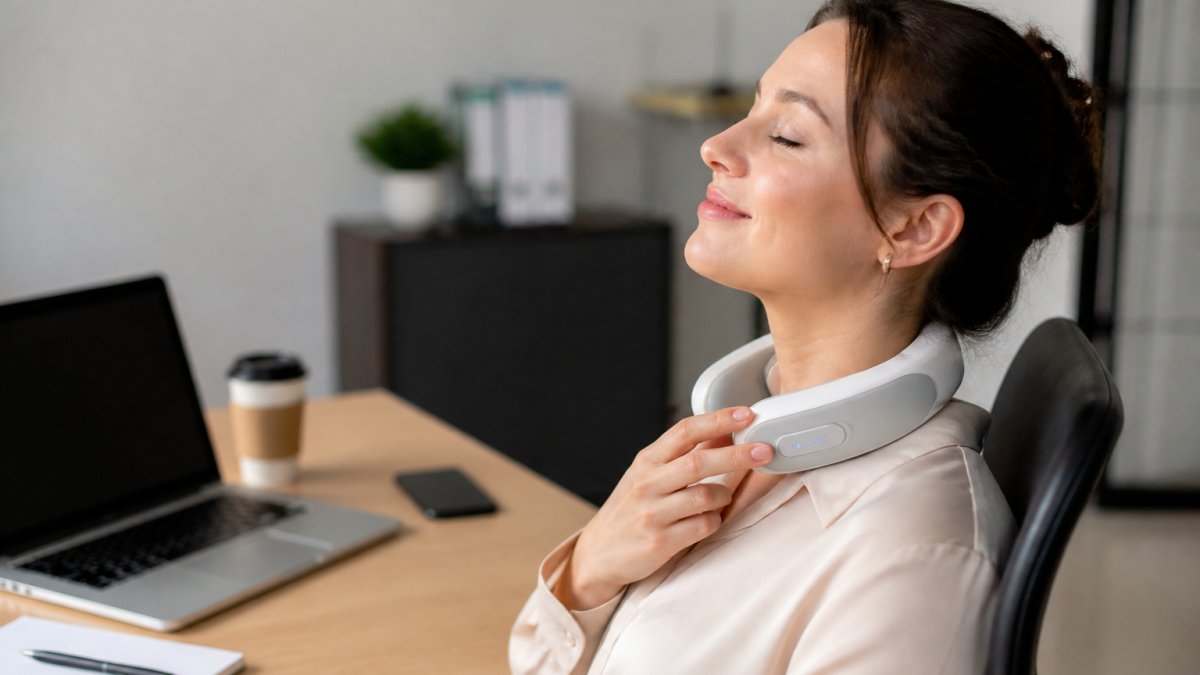
EMS and traditional neck massagers solve the same problem from opposite directions. Electrical muscle stimulation sends gentle pulses through the skin to trigger muscle contractions, while mechanical massagers press, roll, or vibrate against the tissue. That single difference in delivery shapes everything else: how deep the relief reaches, how much control you get, and how the device feels in use. This guide breaks down where each type wins.
How EMS Technology Works
EMS, or electrical muscle stimulation, is a method that delivers low-level electrical impulses through electrode pads to trigger muscle contractions. (Effects of electrical muscle stimulation on core muscle activation and physical...) The pulses mimic the signals your nervous system sends to muscles, causing them to contract and release in a controlled rhythm. That contraction-and-release cycle is what loosens tight tissue and supports circulation. Most units let you adjust intensity across multiple levels, so the sensation stays in a comfortable tingling range rather than a jolt. The key advantage is depth: impulses reach muscle layers that surface pressure cannot.
How Traditional Mechanical Massagers Work
Traditional mechanical massagers rely on physical contact. Shiatsu models rotate nodes in circles to mimic thumb pressure. Vibration devices buzz against the skin. Kneading massagers squeeze and roll tissue between moving parts. All three depend on the device pressing into your body, which means the relief you get is only as deep as the pressure you can tolerate. That works well for surface stiffness. It struggles with tension buried under the shoulder blades or along the base of the skull.
EMS vs Shiatsu Neck Massager: Which Suits Your Tension?
The right pick depends on what your tension actually feels like. Shiatsu suits people who want firm, hands-on pressure and can feel exactly where the knot is. EMS suits people whose tension sits too deep for pressure, or who find deep kneading painful. A shiatsu massager works on a simple principle: rotating nodes push into muscle. If you have ever left a massage chair with sore shoulders, you know the trade-off. EMS skips the mechanical pressure entirely and works through electrical impulses, so you can dial intensity up without bruising tissue.
Here is how the two compare on the things that matter day to day:
| Factor | EMS Device | Shiatsu Massager |
|---|---|---|
| Relief mechanism | Electrical impulses | Rotating nodes |
| Depth control | 16 intensity levels | Pressure by hand |
| Portability | Cordless, wearable | Often bulky |
| Heat option | Yes, combined | Sometimes |
| Best for | Deep, diffuse tension | Pinpoint knots |
Is EMS Therapy Safe for Neck Tension?
EMS is generally low-risk for healthy adults when used as directed, but the safety picture is more specific than a single warning line. The table below separates absolute contraindications from situations that call for a clinician's sign-off, because the two require different decisions.
| Situation | Guidance |
|---|---|
| Pacemaker, implanted defibrillator, or other electronic implant | Do not use EMS. Electrical current can interfere with device function. |
| Pregnancy | Avoid neck and shoulder EMS unless a clinician approves; evidence in pregnancy is limited. |
| Epilepsy or seizure history | Consult a clinician before use; electrical stimulation can lower seizure threshold in some people. |
| Broken, inflamed, or infected skin near the pads | Do not apply pads over damaged skin. |
| Neck pain after trauma, or with numbness, weakness, or arm radiation | See a clinician before self-treating; these can signal nerve or structural involvement. |
| Metal implants near the treatment area | Ask the device manufacturer and a clinician; guidance varies by implant type. |
A practical rule most practitioners use: if your neck pain comes with neurological symptoms, tingling down the arm, grip weakness, or changes in sensation, stop and get assessed rather than experimenting with any massager. Mechanical massagers carry their own risks here: firm shiatsu pressure over an undiagnosed disc or nerve issue can aggravate symptoms, and deep kneading can leave bruising or next-day soreness when intensity outpaces tissue tolerance.
For everyday desk-work tension in otherwise healthy adults, both device types are low-risk when you follow the basics: clean, dry skin, pads on muscle rather than bone or the front of the throat, intensity kept at a comfortable pull, and sessions capped at the manufacturer's recommended time. FDA consumer information on electrical stimulation devices is a reasonable starting reference before your first EMS session, and device manuals list model-specific warnings that generic guides cannot cover.
How to Use an EMS Neck Massager Correctly
Correct use comes down to placement, intensity, and consistency. Here is the routine we recommend:
- Clean and dry your neck. Oils and sweat weaken the electrical contact.
- Place the pads on muscle, on either side of the neck, never directly over the spine or throat.
- Start at the lowest intensity and increase one level at a time until you feel a gentle pull.
- Stay still for the session. Movement shifts the pads and changes the sensation.
- Stop if anything stings or burns. Discomfort means reposition or lower the setting.
A common mistake is cranking intensity to the maximum in the first minute. That does not speed relief; it just makes the session unpleasant and can leave muscles twitchy. Build up over several sessions instead.
Relieve Neck Tension In Minutes →
EMS Neck Massager Duration: How Long Should a Session Last?
Most EMS neck massager sessions should run 15 to 20 minutes, once or twice a day. That is long enough for the contraction cycle to loosen tight tissue without overstimulating the muscle. The Neck Therapy System includes a built-in 15-minute timer, which takes the guesswork out of it. Longer is not better here. If you want more relief, add a second short session later in the day rather than extending one long one. Give your muscles a few hours between sessions to recover.

Feature Comparison: EMS vs Traditional Neck Massagers
The practical differences show up in the details, and the details matter more than the marketing. The comparison below covers the factors that determine whether a device actually gets used.
| Factor | EMS Device | Traditional Mechanical Massager |
|---|---|---|
| Relief mechanism | Electrical impulses trigger muscle contraction and release | Rotating nodes, vibration, or kneading parts press into tissue |
| Depth control | Multiple intensity levels, often 10-20 | Depth set by how hard you press or lean in |
| Portability | Usually cordless and wearable; fits in a bag | Often bulky; shiatsu units mostly stay home |
| Heat | Commonly built in and combined with pulses | Sometimes available, usually as a separate setting |
| Noise | Silent | Motor hum or mechanical noise |
| Coverage | Wearable wraps cover neck and shoulders together | Coverage depends on node placement and body position |
| Consumables | Electrode pads wear out and need replacement | Few consumables; moving parts wear over time |
| Charging | Rechargeable battery; charge time varies by model | Corded or rechargeable, depending on design |
| Best for | Deep, diffuse tension and hands-free use | Pinpoint knots and users who want firm pressure |
Two trade-offs deserve emphasis. First, operating cost: EMS devices carry a small ongoing expense because electrode pads lose tack over time and need periodic replacement, while mechanical massagers have fewer consumables but can develop motor or node wear with heavy use. Neither cost is large, but it is worth checking pad availability and replacement pricing before buying an EMS unit. Second, control range: a device with a single fixed setting, common among cheap mechanical massagers, either feels too weak or too strong, and that mismatch is a leading reason massagers end up unused.
For travelers and commuters, the portability gap is often the deciding factor. A device you can use in a hotel room or at your desk gets used; one that lives in a drawer does not. For users who want firm, hands-on pressure and can feel exactly where the knot is, a mechanical shiatsu unit remains a reasonable choice, the comparison is not about one type being universally better, but about matching the mechanism to the tension pattern and the setting where you will actually use it.
Choosing a Neck Massager for Your Needs
Match the device to your situation, not the marketing. Office workers with diffuse end-of-day tightness do well with EMS and heat. People with a single stubborn knot may prefer targeted shiatsu pressure. Frequent travelers should prioritize cordless design and battery life. Anyone with a medical condition should clear it with a clinician first. The NeuroRelief Neck Therapy System combines EMS massage with soothing heat in a cordless design, with six modes and sixteen intensity levels, so you can adjust to how your neck feels on any given day. It also comes with a 60-day guarantee.

Neck tension from long work days rarely fixes itself, and the wrong device just adds to the drawer of abandoned gadgets. If you want deep, controllable relief without the soreness that firm kneading can leave behind, EMS with heat is a versatile choice. The NeuroRelief Neck Therapy System pairs EMS massage technology with soothing heat, a cordless design, and sixteen adjustable intensity levels so you can build a daily routine that actually fits your schedule. Get started with Get NeuroRelief.
Frequently Asked Questions
How does an EMS neck massager differ from a traditional neck massager?
An EMS neck massager sends low-level electrical impulses to stimulate muscles, while a traditional massager relies on physical nodes, rollers, or vibration to knead tissue. EMS can reach deeper muscle layers without manual pressure, and many devices add heat. Traditional massagers offer direct mechanical feedback and are often simpler to use. The right choice depends on whether you prefer electrical stimulation or hands-on kneading for your neck tension.
Is EMS therapy safe for the neck?
EMS therapy is generally safe for most healthy adults when used as directed. However, people with pacemakers, epilepsy, or who are pregnant should consult a doctor first. Avoid placing electrodes over the front of the neck or on broken skin. Start on the lowest intensity to test your comfort. The NeuroRelief Neck Therapy System offers 16 adjustable levels so you can find a safe, comfortable setting for daily use.
How long should you use an EMS neck massager?
Most EMS neck massagers, including the Neck Therapy System, have a built-in 15-minute timer. Sessions of 15 minutes are typical for daily relief. You can use it once or twice a day, but avoid exceeding the recommended time to prevent muscle fatigue. If you have chronic pain, start with one session per day and adjust based on comfort.
Who should avoid using an EMS neck massager?
People with implanted electronic devices like pacemakers, those with epilepsy, pregnant women, and anyone with skin infections or open wounds on the neck should avoid EMS massagers unless cleared by a doctor. If you have severe or chronic neck pain, consult a clinician before use. Always read the device manual for specific contraindications and stop if you feel discomfort.